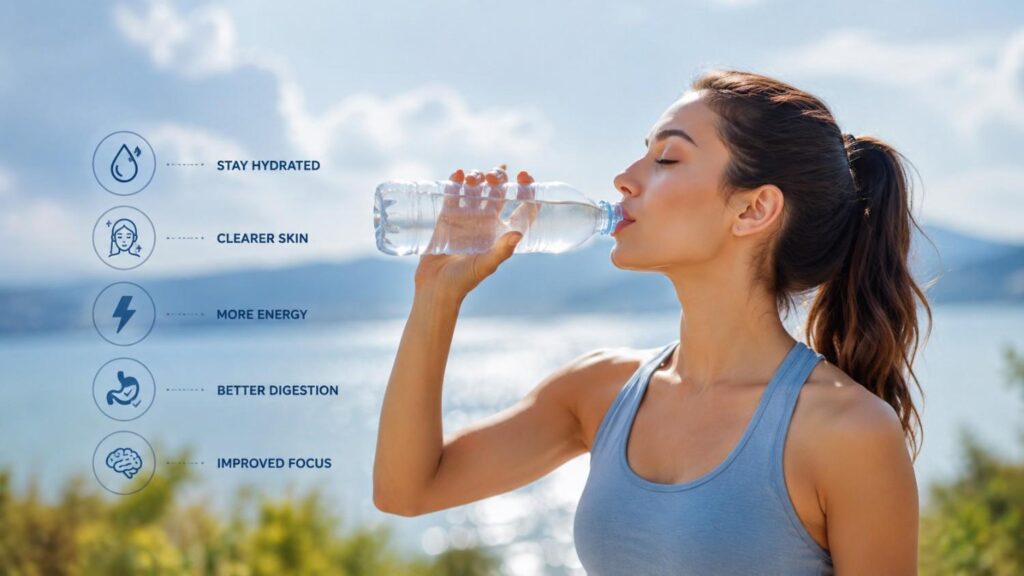
The Benefits of Drinking More Water for Everyday Health
The Benefits of Drinking More Water are most meaningful when a person is not currently meeting their normal fluid requirements. Water is involved in nearly every major body system. It helps regulate temperature, produce saliva, transport nutrients, support digestion, remove waste, protect tissues, and maintain the fluid environment required for cells to function properly.
Despite its importance, water is often surrounded by exaggerated health claims. Drinking additional glasses does not automatically detoxify the body, cure skin conditions, eliminate fatigue, or cause rapid weight loss. The liver and kidneys already manage waste removal, while energy, skin health, digestion, and body weight are influenced by several dietary, medical, environmental, and lifestyle factors.
A more useful goal is adequate hydration. This means replacing the water lost through urine, breathing, sweating, and bowel movements without forcing the body to process excessive quantities. Needs can change significantly from one day to another. A person working outdoors in hot weather may require much more fluid than someone spending a quiet day in an air-conditioned room.
Plain water is a strong everyday option because it hydrates without adding sugar or calories. However, total hydration also includes fluid from food and other beverages. Tea, coffee, milk, soups, fruits, and vegetables can all contribute.
This guide explains what hydration does, how to recognize low fluid intake, how much water adults may need, and how to build a sustainable routine. It also separates well-supported benefits from popular claims that require more careful interpretation.
Why Drinking Enough Water Matters
Drinking enough water matters because the human body must constantly regulate its internal fluid environment. Water moves through blood, organs, tissues, and cells, helping the body carry nutrients, maintain circulation, control temperature, lubricate joints, produce digestive fluids, and remove waste. Even small everyday activities such as breathing, walking, digesting food, and maintaining a normal body temperature involve continuous fluid use and loss.
The body has several systems for managing these changes. Thirst encourages fluid intake, while the kidneys adjust urine production based on the amount of water available. Hormones also help control whether the kidneys conserve or release fluid. These processes usually work effectively, but they can be challenged by illness, physical activity, extreme heat, certain medications, or limited access to drinks.
Adequate hydration does not require constant drinking or following a universal schedule. Instead, it means supplying enough fluid to support normal function under current conditions. Someone who is sweating heavily, recovering from diarrhea, or breastfeeding will usually have different needs from an inactive adult in a cool environment.
Hydration also involves balance. Both too little and too much water can cause problems. Low intake can lead to dehydration, while excessive intake can dilute sodium and other electrolytes. People with kidney, liver, heart, or hormonal conditions may have additional concerns because their bodies may not handle fluid in the usual way.
Understanding these principles helps replace unrealistic rules with a more practical approach. Water is essential, but the most effective hydration plan responds to individual needs, daily activity, environmental conditions, and medical guidance.
Water Supports Normal Body Functions
Water provides the fluid foundation required for normal body function. Blood contains a large water component, which helps transport oxygen, nutrients, hormones, and metabolic products between organs and tissues. Saliva supports chewing and swallowing, while digestive fluids help break food down so the body can absorb nutrients. Water also contributes to the lubrication of joints and the protection of sensitive tissues.
The body uses water to produce urine, allowing the kidneys to remove dissolved waste and regulate minerals. It is also needed for perspiration, which helps release heat when the body becomes warm. Tears, mucus, and other protective fluids rely on adequate hydration as well.
These functions do not mean that drinking excessive water will make the body work beyond its natural capacity. Once normal needs are met, the kidneys generally remove much of the additional fluid. The practical benefit comes from preventing shortages that interfere with normal processes.
A useful way to view water is as basic operating support rather than a special treatment. It does not replace nutrients, medication, sleep, or physical activity. Instead, it creates the internal conditions that allow organs and tissues to perform their usual roles efficiently.
Hydration Helps Maintain Fluid Balance
Fluid balance describes the relationship between water entering the body and water leaving it. Intake comes from plain water, other drinks, and moisture contained in food. Losses occur through urine, sweat, breathing, and bowel movements. Under normal conditions, the body adjusts these processes to keep fluid levels within a healthy range.
This balance changes when losses rise. Exercise, hot weather, fever, diarrhea, vomiting, burns, and certain medicines can increase fluid requirements. Older adults may also experience a weaker thirst response, while infants depend on caregivers to recognize their needs. Pregnancy and breastfeeding create additional demands because fluid supports increased blood volume and milk production.
The kidneys play a central role by changing urine concentration. When the body needs to conserve water, urine often becomes darker and less frequent. After higher fluid intake, urine may become lighter and more abundant. These changes are useful indicators, although they are not perfect diagnostic tools.
Maintaining fluid balance is not the same as keeping the body filled to a fixed level throughout the day. Intake and loss naturally rise and fall. A sound hydration routine replaces reasonable losses, responds to thirst, and adjusts for activity, climate, diet, illness, and professional medical advice.
Drinking More Is Helpful Only When You Need More
The phrase “drink more water” is often treated as universal health advice, but its value depends on a person’s starting point. Someone who regularly ignores thirst, drinks very little, or experiences frequent fluid loss may benefit noticeably from increasing intake. A person who already meets their needs may experience little additional benefit apart from more frequent urination.
This distinction prevents hydration advice from becoming excessive. Water does not continue producing larger health improvements as intake rises. Healthy kidneys can remove substantial amounts of extra water, but their capacity is not unlimited. Drinking very large quantities quickly may overwhelm normal regulation and lower blood sodium.
Needs should therefore be assessed in context. A long run, outdoor construction work, high humidity, fever, vomiting, or diarrhea can justify increased fluid intake. A sedentary day in a cool room may not. Foods with high water content and other beverages also reduce the amount of plain water required.
A practical approach is to look for patterns rather than chase an exact number. Persistent thirst, concentrated urine, limited urination, and recent fluid loss may indicate a need for more. Medical fluid restrictions, swelling, or impaired kidney function require a different strategy. More water is beneficial when it corrects a genuine shortfall, not when it becomes a competition.
The Benefits of Drinking More Water Supported by Evidence
The strongest evidence for the health benefits of water relates to preventing dehydration and supporting normal physiological processes. Adequate fluid helps regulate temperature, maintain circulation, support kidney filtration, assist digestion, and sustain physical and mental performance. These are fundamental benefits, but they are sometimes presented online in exaggerated ways that go beyond the available evidence.
For example, drinking water may improve tiredness, headaches, concentration, or constipation when dehydration contributes to those problems. It does not mean every headache, digestive issue, or period of low energy can be solved by another glass. Similar caution applies to claims about weight loss and skin appearance. Water can play a supporting role, but it is not a substitute for nutrition, medical care, sleep, exercise, or appropriate skincare.
The greatest improvement usually occurs when a person moves from inadequate intake to adequate hydration. Benefits may be less noticeable in someone who already drinks enough and eats a diet containing water-rich foods. This is why hydration recommendations should consider existing habits rather than assuming everyone has the same deficiency.
The following table summarizes several commonly discussed benefits and presents a realistic interpretation of what water can and cannot do.
| Potential Benefit | How Adequate Hydration Helps | Realistic Expectation |
|---|---|---|
| Temperature control | Replaces fluid lost through sweat | Most important during heat, exercise, and physical work |
| Mental alertness | Prevents symptoms related to dehydration | Water does not function like caffeine or medication |
| Digestion | Helps fiber retain moisture and support stool consistency | It may not resolve chronic constipation by itself |
| Kidney stone prevention | Increases urine volume and reduces mineral concentration | Particularly relevant for people with a history of stones |
| Weight management | Replaces beverages containing sugar and calories | Water does not directly burn body fat |
| Skin hydration | May help when previous intake was low | It does not erase wrinkles or treat dermatological conditions |
It Can Support Focus, Mood, and Alertness
The brain depends on a stable internal environment, including appropriate fluid and electrolyte levels. When dehydration develops, some people experience tiredness, reduced alertness, headache, irritability, dizziness, or difficulty concentrating. These effects may become more noticeable during physical activity, hot weather, prolonged work, or illness.
Drinking water can improve these symptoms when low fluid intake is the underlying cause. The response may be relatively quick for mild dehydration, especially when fluid loss has occurred through sweating. However, water should not be viewed as a stimulant. It will not create exceptional concentration in a person who is already hydrated, sleep deprived, under significant stress, or dealing with an unrelated health issue.
Research on hydration and cognitive performance is complex. Outcomes can vary based on age, dehydration level, environmental temperature, test type, and individual differences. Some studies observe changes in attention or mood, while others find smaller effects.
The most accurate conclusion is that adequate hydration supports normal mental performance. Regular access to water is especially helpful during study, office work, travel, exercise, or outdoor activity. Persistent confusion, severe headache, fainting, or unusual fatigue requires medical attention rather than repeated self-treatment with water.
It Supports Digestion and Regular Bowel Movements
Water supports digestion in several ways. It contributes to saliva, helps food move through the digestive tract, and provides the moisture needed for dietary fiber to work effectively. Soluble fiber absorbs fluid and forms a softer material, while insoluble fiber adds bulk. Without adequate fluid, increasing fiber may cause discomfort or fail to improve bowel movements.
Drinking enough water can be especially helpful when constipation is related to low intake, heat exposure, illness, or a recent change in diet. Water-rich foods, vegetables, fruits, whole grains, and regular physical movement often work together more effectively than focusing on fluid alone.
Chronic constipation can have multiple causes. Certain medications, low activity, pelvic floor problems, irritable bowel syndrome, thyroid disorders, neurological conditions, and changes in routine may all contribute. Simply forcing additional water may not solve these underlying issues.
A balanced approach includes adequate fluid, gradual fiber intake, physical activity, and a consistent bathroom routine. People should seek professional advice when constipation is persistent, painful, associated with rectal bleeding, accompanied by vomiting, or linked to unexplained weight loss. Water provides important digestive support, but it should be understood as one part of a broader bowel-health strategy.
It Supports Kidney and Urinary Health
The kidneys filter the blood, regulate fluid and mineral levels, and remove dissolved waste through urine. Adequate fluid intake supports this process by helping maintain urine volume. When urine becomes highly concentrated, minerals and other substances are more likely to remain in close contact, which may contribute to the formation of certain kidney stones.
For people with a history of kidney stones, healthcare professionals commonly recommend sufficient fluid to produce a healthy amount of urine. The exact target may depend on stone type, climate, activity level, diet, and medical history. Spreading intake across the day is generally more practical than drinking a large volume at once.
Hydration may also help flush the urinary system, but it should not be presented as a guaranteed way to prevent urinary tract infections. Infection risk involves bacteria, anatomy, sexual activity, bladder emptying, menopause, pregnancy, catheter use, and other factors. Symptoms such as burning urination, fever, blood in the urine, or back pain require proper assessment.
People with advanced kidney disease may need to restrict fluid rather than increase it. Impaired kidneys may struggle to remove excess water, leading to swelling, breathing difficulty, or electrolyte problems. Kidney-health advice must therefore reflect individual medical circumstances.
How Water Affects Exercise and Weight Management
Water plays an important role in exercise because physical activity produces heat and increases fluid loss. Muscles generate heat as they work, and the body relies heavily on sweating to prevent internal temperature from rising too far. The amount of sweat produced varies according to exercise intensity, duration, weather, clothing, body size, fitness level, and individual physiology.
When fluid losses become significant, the heart may need to work harder to maintain circulation, exercise can feel more difficult, and performance may decline. Dehydration can also contribute to headache, dizziness, cramps, weakness, or reduced coordination. These concerns are especially important during long workouts, outdoor sports, manual labor, or exercise in hot and humid conditions.
Hydration recommendations should remain flexible. A short, low-intensity session in a cool environment may require little more than normal daily drinking. A long endurance event may require planned fluid and electrolyte replacement. Athletes should consider their sweat rate and avoid both severe dehydration and excessive drinking.
Water also influences weight management, but mostly through beverage choices and eating behavior. It contains no calories, so replacing sugary drinks with water can lower total energy intake. Some people also find that water before meals helps them feel more comfortable or reduces unnecessary snacking.
However, water does not directly burn fat. Sustainable weight management still depends on overall calorie balance, food quality, activity, sleep, stress, hormones, medication, and medical conditions.
Hydration Supports Temperature Control During Exercise
During exercise, the body converts stored energy into movement, but a large amount is also released as heat. Sweating is one of the body’s main cooling mechanisms. As sweat evaporates from the skin, it removes heat and helps stabilize internal temperature. This process depends on available body water.
If a person loses substantial fluid without replacement, blood volume may decrease. The cardiovascular system then works harder to deliver blood to active muscles and the skin. Heart rate may rise, perceived effort may increase, and endurance can decline. In hot or humid conditions, cooling becomes even more difficult because sweat may not evaporate efficiently.
Hydration should begin before severe thirst or weakness appears, particularly during long or demanding activity. This does not mean drinking constantly. The aim is to replace a reasonable proportion of losses without gaining excessive body weight from overdrinking.
People can estimate individual needs by observing body-weight changes before and after repeated workouts under similar conditions. A large loss suggests substantial sweating, while weight gain during exercise may indicate excessive fluid intake. Those training for endurance events or working in extreme heat may benefit from guidance from a sports dietitian or qualified medical professional.
Electrolyte Drinks Are Not Necessary for Everyone
Electrolytes are minerals with electrical activity, including sodium, potassium, magnesium, and chloride. They help regulate fluid distribution, nerve signaling, muscle contraction, and several cellular processes. Sweat contains both water and electrolytes, particularly sodium, although the amount varies considerably between individuals.
For ordinary daily hydration and many short workouts, plain water and a balanced diet are usually sufficient. Someone taking a light walk, completing a short gym session, or working at a desk generally does not need a specialized sports drink. Regular meals normally provide the minerals required to replace modest losses.
Electrolyte drinks may become more useful during prolonged endurance exercise, repeated training sessions, heavy sweating, extended outdoor work, or significant fluid loss from illness. Products containing carbohydrates may also provide energy during long events, but they can add sugar and calories when consumed unnecessarily.
Not every electrolyte product is suitable for every person. Some contain high sodium levels, artificial sweeteners, stimulants, or large amounts of sugar. People with kidney disease, high blood pressure, heart conditions, or medication-related electrolyte concerns should seek professional advice.
The right choice depends on the situation. Plain water is appropriate for many everyday needs, while electrolyte replacement should match the duration, intensity, climate, and amount of fluid lost.
Water May Support Weight Management Indirectly
Water can contribute to weight management because it contains no calories and can replace drinks that provide substantial amounts of added sugar. Regular soda, sweet tea, flavored coffee drinks, energy drinks, and some juices can add hundreds of calories without creating the same fullness as solid food. Replacing even one daily sugary beverage with water may meaningfully reduce weekly calorie intake.
Some people also drink water before meals to improve awareness of thirst and reduce the likelihood of confusing thirst with hunger. Research on pre-meal water and weight loss has produced mixed results, but certain adults may find the practice useful within a structured calorie-controlled plan.
Water does not directly break down body fat. Drinking several liters while maintaining the same food intake and activity level is unlikely to create major weight loss. It also cannot correct hormonal, medication-related, metabolic, or behavioral factors influencing body weight.
A more effective strategy combines water with balanced meals, appropriate portions, protein, fiber, movement, sleep, and realistic long-term habits. Water is most valuable when it makes those habits easier. Keeping it accessible may reduce impulsive beverage purchases, support exercise, and help individuals choose lower-calorie options consistently.
How Much Water Should You Drink Each Day?
There is no single daily water target that is ideal for every adult. Requirements vary because the body’s water needs are influenced by age, sex, body size, physical activity, climate, diet, pregnancy, breastfeeding, medication use, and health conditions. Even the same person may need different amounts on different days.
General intake recommendations usually refer to total water from all sources. This includes plain water, tea, coffee, milk, soups, smoothies, and the moisture naturally present in food. Fruits, vegetables, yogurt, stews, and similar foods can make a meaningful contribution. People who eat many dry, salty, or highly processed foods may rely more heavily on beverages.
The widely repeated advice to drink eight glasses each day can be a simple reminder, but it is not a scientific requirement for every individual. Glass sizes also differ, making the recommendation less precise than it appears. Some people need more than eight glasses, while others meet their needs with less plain water because their food and beverage patterns provide sufficient fluid.
Instead of focusing only on a number, consider thirst, urine patterns, heat exposure, activity, and recent illness. Intake should rise when losses increase. It may need to be limited when certain medical conditions prevent the body from removing excess fluid.
A healthcare professional can provide a more appropriate target for people with kidney disease, heart failure, liver disease, low blood sodium, recurrent kidney stones, or complex medication use.
| Situation | Hydration Recommendation | Why It Matters |
|---|---|---|
| Normal daily routine | Drink according to thirst and overall daily fluid needs | Maintains normal fluid balance |
| Hot or humid weather | Increase water intake gradually | Replaces extra fluid lost through sweating |
| Exercise or physical work | Drink before, during, and after activity | Supports temperature regulation and performance |
| Fever, vomiting, or diarrhea | Replace lost fluids promptly | Helps reduce dehydration risk |
| Pregnancy and breastfeeding | Higher fluid intake may be needed | Supports increased body fluid requirements |
| High-altitude environments | Monitor hydration more closely | Dry air and faster breathing increase fluid loss |
Use General Intake Figures as a Starting Point
The National Academies’ commonly referenced adequate intake values are approximately 3.7 liters of total water per day for adult men and 2.7 liters for adult women. These figures include water from both food and beverages. They should not be interpreted as instructions to drink that full amount as plain water.
Population-level values are designed to cover the needs of most generally healthy people under ordinary conditions. They are not personalized prescriptions. Body size, metabolism, physical work, weather, pregnancy, breastfeeding, and dietary composition can move an individual’s requirements above or below the general estimate.
Many people receive a significant portion of their water through food. Fresh fruit, vegetables, soups, yogurt, oatmeal, and cooked meals can contain substantial moisture. Tea, coffee, milk, and sparkling water also contribute to total intake. Moderate caffeine consumption does not automatically cancel the fluid provided by a beverage.
A starting figure becomes more useful when combined with observation. A person who is rarely thirsty, urinates regularly, and has pale-yellow urine may already be meeting their needs. Frequent thirst, consistently dark urine, or long periods without urination may justify an increase.
Use general guidelines as a reference point, then adjust them according to activity, environmental conditions, diet, symptoms, and medical advice.
Increase Fluids When Losses Increase
Fluid needs rise whenever the body loses water more quickly than usual. Exercise and manual labor increase sweating, while hot or humid weather makes temperature regulation more demanding. High altitude can also raise respiratory water loss because people may breathe more rapidly and urinate more frequently during acclimatization.
Illness is another important factor. Fever can increase sweating and evaporation. Vomiting and diarrhea may cause rapid losses of both water and electrolytes. In these situations, plain water may not always be enough, especially when losses are severe. Oral rehydration solutions can provide a carefully balanced combination of water, glucose, and salts.
Pregnancy increases blood volume and supports fetal development, while breastfeeding requires fluid for milk production. Individual guidance may be useful because needs vary, and excessive intake does not necessarily increase milk supply.
The best approach is to anticipate higher demand. Drink before and during prolonged activity, keep fluids available during travel or outdoor work, and replace losses gradually after exercise. During illness, take small, frequent sips when larger amounts cause nausea.
Persistent vomiting, severe diarrhea, inability to drink, confusion, fainting, or very limited urination requires medical assessment. Increased intake is useful for ordinary fluid loss, but serious dehydration may need professional treatment.
Ask for Medical Guidance When Necessary
General hydration advice does not apply equally to people with conditions that affect fluid regulation. In heart failure, the heart may struggle to circulate blood effectively, and excess fluid can contribute to swelling or breathing difficulty. Advanced kidney disease can reduce the body’s ability to remove water and minerals. Certain liver conditions may also cause fluid accumulation.
Low blood sodium, known as hyponatremia, can occur when water intake, hormone levels, kidney function, medication use, and sodium balance become disrupted. Drinking more water without medical guidance may worsen the problem. Diuretics, antidepressants, anti-seizure medicines, and other drugs can also influence fluid or electrolyte levels.
People receiving dialysis may be given a specific daily fluid allowance based on urine output, treatment schedule, body weight, and laboratory results. Those with recurrent kidney stones may receive a higher fluid target, but the recommendation should still reflect stone type and individual health.
Medical advice is particularly important when a person experiences unexplained swelling, shortness of breath, sudden weight changes, persistent thirst, unusually high urine output, or repeated electrolyte abnormalities.
A prescribed fluid target should take priority over general wellness advice. Patients should ask whether the limit includes soup, ice, tea, coffee, and other liquids, because all of these may count toward the daily allowance.
How to Recognize Dehydration
Dehydration occurs when the body loses more fluid than it takes in. It can develop gradually through low daily intake or appear quickly after intense sweating, fever, vomiting, diarrhea, burns, or certain medical treatments. The severity ranges from mild thirst to a serious medical emergency.
Early recognition is important because mild dehydration is usually easier to correct. Common signals include thirst, dry mouth, darker urine, reduced urination, tiredness, headache, and light-headedness. However, symptoms vary, and no single sign can confirm hydration status in every person.
Older adults may not feel thirst as strongly as younger adults. Infants and young children cannot always communicate what they are experiencing and may deteriorate more quickly during diarrhea or fever. People with dementia, mobility limitations, or swallowing difficulties may depend on caregivers for regular access to drinks.
Urine color can provide a rough clue, but food dyes, vitamins, medicine, infection, and medical conditions can also affect appearance. Similarly, headache and fatigue may result from many causes unrelated to water intake.
The wider context therefore matters. Consider recent exercise, heat exposure, illness, vomiting, diarrhea, alcohol intake, medication use, and access to fluids. Mild symptoms may improve with gradual drinking and rest. Severe symptoms, inability to keep liquids down, confusion, fainting, or very low urine production require urgent medical evaluation.
Common Signs of Low Fluid Intake
Mild or moderate dehydration often produces a combination of physical and behavioral signs. Thirst is one of the most familiar signals, although it may not appear immediately in every person. The mouth, lips, or tongue may feel dry, and saliva can become thicker than usual. Urine may become darker, stronger smelling, and less frequent.
Some people experience headache, tiredness, reduced concentration, irritability, or light-headedness when standing. Exercise may feel unusually difficult, and the heart may beat faster as the body works to maintain circulation. Muscle cramps can occur, although they are not caused by dehydration alone.
Children may become less active, irritable, or unusually sleepy. Fewer wet diapers, a dry mouth, reduced tears, or sunken eyes may suggest dehydration. Older adults may show weakness, confusion, falls, or sudden changes in behavior rather than clearly reporting thirst.
These signs are not specific to hydration. Infection, anemia, low blood pressure, medication effects, blood sugar problems, and other conditions can cause similar symptoms. A reasonable first step for mild cases is gradual fluid intake and rest, but symptoms that persist, return frequently, or worsen should be medically assessed.
Urine Color Can Offer a Rough Clue
Urine concentration changes as the kidneys conserve or release water. Pale-yellow urine often suggests adequate hydration, while darker yellow or amber urine may indicate that the body is conserving fluid. This makes urine color a practical everyday clue, especially when considered together with thirst and urination frequency.
However, the method has important limitations. B vitamins can turn urine bright yellow, while beets, berries, food dyes, and medicines may create red, orange, green, or brown shades. Blood, liver problems, urinary infections, and muscle injury can also affect appearance. Very clear urine may simply reflect recent high intake rather than ideal hydration.
A person should also consider timing. The first urine after waking is often darker because no fluid was consumed overnight. Urine may become lighter later in the day after drinking and eating. One isolated observation is less useful than a consistent pattern.
Dark urine combined with thirst and limited urination after exercise or heat exposure may suggest a need for more fluid. Red, tea-colored, cloudy, or persistently unusual urine should not automatically be treated as dehydration. Medical advice is appropriate when discoloration continues or appears with pain, fever, weakness, or other concerning symptoms.
Know When to Seek Medical Help
Severe dehydration can affect circulation, kidney function, brain activity, and electrolyte balance. Warning signs include confusion, fainting, inability to stand, rapid breathing, a very fast heartbeat, severe weakness, extremely dry skin or mouth, and little or no urine. These symptoms require urgent medical attention.
Vomiting or diarrhea becomes particularly concerning when a person cannot keep fluids down, passes blood, develops severe abdominal pain, or continues losing fluid for an extended period. Infants, older adults, pregnant individuals, and people with chronic illnesses may become seriously dehydrated more quickly.
Heat-related illness also requires caution. Heavy sweating, weakness, nausea, dizziness, and headache may suggest heat exhaustion. Confusion, collapse, seizures, or very high body temperature can indicate heat stroke, which is a medical emergency. Giving excessive fluid by mouth to someone who is confused or unconscious may be unsafe.
Oral rehydration solutions may be more appropriate than plain water after significant gastrointestinal loss because they replace both fluid and electrolytes. Severe cases may require intravenous fluids and laboratory testing.
Do not depend solely on internet guidance when symptoms are serious. Early professional assessment is safer than repeatedly encouraging a vulnerable person to drink when swallowing, consciousness, kidney function, or electrolyte balance may be impaired.
How to Drink More Water Without Forcing It
Building a hydration habit should make daily life easier rather than turning water intake into a stressful target. Many people struggle because they wait until late in the day, rely only on thirst, forget to keep drinks nearby, or attempt to consume a large quantity all at once. A gradual, routine-based approach is usually more sustainable.
Begin by understanding current behavior. Tracking drinks for two or three ordinary days can reveal long gaps, dependence on sugary beverages, or low intake during work. The goal is not to judge every cup but to identify simple opportunities for improvement.
Linking water to existing habits can reduce the need for constant reminders. Drinking after waking, with meals, during work breaks, before exercise, and after returning home creates regular cues. A visible bottle can also help, especially for people who become absorbed in office work, study, or travel.
Flavor and temperature matter. Some people prefer cold water, while others drink more when it is room temperature or warm. Lemon, mint, cucumber, berries, or sparkling water can add variety without requiring large amounts of sugar.
Food should also be part of the strategy. Fruits, vegetables, soups, yogurt, and other moist foods contribute to total intake.
Most importantly, hydration should be spread across the day. Forcing several liters in a short period can cause discomfort and may disturb electrolyte balance. Consistency is safer and usually more effective.
| Daily Habit | Practical Benefit | Easy Example |
|---|---|---|
| Carry a reusable water bottle | Makes water readily available | Keep it on your desk or in your bag |
| Drink water with every meal | Builds a consistent routine | Have one glass before or during meals |
| Replace one sugary drink daily | Reduces added sugar intake | Choose water instead of soda |
| Eat water-rich foods | Adds fluids through your diet | Watermelon, cucumber, oranges, soups |
| Set hydration reminders | Helps prevent forgetting to drink | Use a phone reminder every few hours |
| Refill your bottle regularly | Encourages steady intake throughout the day | Refill after each break or meeting |
Follow a Simple Step-by-Step Hydration Plan
Start by tracking everything you drink for two or three days, including water, tea, coffee, milk, juice, and soft drinks. Also note exercise, heat exposure, and long periods when no beverage is available. This creates a realistic baseline rather than relying on memory.
Next, choose one manageable improvement. Someone drinking very little water could add one glass with breakfast and one during the afternoon. A person consuming several sugary drinks might replace one with plain or sparkling water. Small changes are easier to maintain than an immediate and rigid multi-liter target.
Attach drinking to predictable events. Have water after waking, with meals, during scheduled breaks, before leaving home, and around exercise. Keep a bottle in places where it is likely to be seen, such as a desk, kitchen counter, vehicle cup holder, or gym bag.
Review the result after one week. Notice thirst, urine frequency, comfort, and whether the routine feels sustainable. Increase intake during heat, physical work, illness, or longer exercise sessions.
Avoid treating the bottle as a deadline. The purpose is not to finish it as quickly as possible. Drink steadily, respond to changing needs, and adjust the plan rather than forcing water when you feel uncomfortable.
Use Food and Other Drinks to Support Hydration
Hydration does not depend entirely on plain water. Many foods contain significant moisture and can make daily intake easier. Watermelon, oranges, strawberries, grapes, cucumber, tomatoes, lettuce, zucchini, yogurt, soups, stews, and oatmeal all contribute fluid alongside valuable nutrients.
Other beverages also count. Milk provides water, protein, and minerals. Tea and coffee contribute fluid, and moderate caffeine intake generally does not eliminate their hydrating effect. Unsweetened sparkling water can be useful for people who prefer carbonation. Broths and oral rehydration drinks may be appropriate in specific situations.
The nutritional content of beverages still matters. Sugary drinks can provide fluid but may also add large amounts of calories and added sugar. Energy drinks may contain caffeine and other stimulants. Alcohol can impair judgment and increase urine production, making it a poor choice for hydration.
People who dislike plain water can experiment with temperature, containers, or natural flavor. Citrus slices, mint, cucumber, and berries can make water more appealing. Sugar-free flavoring may help some individuals, although plain options should remain readily available.
A varied diet and sensible beverage choices can meet hydration needs without requiring a person to count every glass or force large quantities of plain water.
Avoid Drinking Excessive Amounts Too Quickly
Drinking too much water in a short period can overwhelm the body’s ability to maintain electrolyte balance. The kidneys can remove excess fluid, but their processing capacity has limits. When intake greatly exceeds removal, water may dilute sodium in the blood and cause hyponatremia.
Early symptoms may include nausea, headache, bloating, confusion, weakness, or unusual fatigue. Severe hyponatremia can affect the brain and lead to seizures, loss of consciousness, or life-threatening complications. The risk is uncommon during normal drinking but becomes more relevant during endurance events, drinking challenges, certain medical conditions, or medication-related water retention.
Athletes are sometimes told to drink as much as possible before thirst develops. Modern guidance is more cautious because gaining body weight during exercise can indicate overdrinking. Fluid replacement should reflect sweat losses, duration, weather, and personal tolerance.
People with kidney disease, heart failure, low sodium, or hormone disorders may face greater risk because their bodies cannot remove or regulate fluid normally.
Spread intake across the day and avoid consuming several liters rapidly. Thirst, regular meals, urine patterns, environmental conditions, and professional advice provide a safer framework than rigidly forcing water to meet an arbitrary number.
Quick Answer About The Benefits of Drinking More Water
The main benefits of drinking more water include supporting normal fluid balance, body temperature regulation, digestion, kidney function, physical performance, and mental alertness. Drinking more can be particularly helpful when a person currently consumes too little fluid or loses additional water through exercise, hot weather, fever, vomiting, diarrhea, pregnancy, breastfeeding, or physically demanding work. Water can also support weight management when it replaces sugary or high-calorie beverages.
However, the goal should be adequate hydration rather than drinking the largest possible amount. The body’s requirements vary according to age, body size, activity level, climate, diet, medication use, and medical history. Food also contributes to hydration, especially fruits, vegetables, soups, yogurt, and other water-rich items. Tea, coffee, milk, and similar drinks count toward total fluid intake as well.
A practical hydration routine involves drinking regularly throughout the day, responding to thirst, monitoring changes in urine color and frequency, and increasing fluids when losses rise. People with heart failure, advanced kidney disease, low blood sodium, or medically prescribed fluid restrictions should not increase their intake without professional guidance.
In simple terms, drinking more water is beneficial when “more” means enough to meet the body’s actual needs. Excessive intake does not provide unlimited benefits and can sometimes disturb fluid and electrolyte balance. The best approach is consistent, moderate, and responsive hydration based on personal circumstances rather than a rigid rule that applies to everyone.
Frequently Asked Questions
Questions about hydration often appear simple, but the correct answer usually depends on context. People differ in body size, food intake, exercise habits, health conditions, medication use, and exposure to heat. This is why fixed rules may be useful as reminders but should not replace individual judgment.
The following FAQs address common search queries about the Benefits of Drinking More Water. Each answer separates realistic hydration effects from unsupported promises. Water can correct or prevent problems caused by inadequate intake, but it does not independently treat every symptom associated with fatigue, digestion, skin, weight, or physical performance.
It is also important to distinguish total water intake from plain water intake. Food and other beverages contribute to hydration, so a person does not necessarily need to obtain every recommended milliliter from a bottle. At the same time, drinks containing substantial sugar, alcohol, or stimulants may have nutritional effects that make them less suitable as primary hydration sources.
People with chronic kidney, heart, liver, or electrolyte conditions should follow medical instructions even when those instructions differ from general advice. A recommendation to increase water intake is not appropriate for someone who has been told to restrict fluids.
These answers provide general educational guidance. Symptoms such as confusion, fainting, very limited urine, severe weakness, persistent vomiting, bloody urine, or breathing difficulty require professional evaluation rather than self-treatment through increased drinking.
What happens when you start drinking more water?
The effects depend largely on whether your previous intake was inadequate. A mildly dehydrated person may notice less thirst, a more comfortable mouth, lighter urine, more regular urination, improved alertness, or fewer dehydration-related headaches. Bowel movements may also become easier when adequate fluid is combined with sufficient dietary fiber.
An increase in bathroom visits is common, especially during the first few days or when water is consumed in large amounts at once. This does not necessarily mean the body is “detoxing.” It usually means the kidneys are removing fluid that is not currently needed.
Someone who was already well hydrated may notice very little beyond more frequent urination. Water does not automatically increase energy, remove toxins faster, clear skin, or cause weight loss when fluid needs were already being met.
The best results come from gradual intake distributed across the day. Pay attention to comfort, thirst, urine patterns, and changing conditions. People with prescribed fluid limits, swelling, kidney disease, or heart failure should not increase intake without discussing it with a healthcare professional.
Is eight glasses of water a day enough?
Eight glasses can be a convenient general reminder, but it is not a universal scientific requirement. The actual quantity depends on the size of the glass and the individual’s body, activity, diet, climate, pregnancy status, medication use, and health history.
Total hydration includes water from food and other drinks. A person who eats plenty of fruit, vegetables, soup, yogurt, and other moist foods may need less plain water than someone whose diet consists mainly of dry or salty foods. Tea, coffee, and milk also contribute fluid.
Some adults may need more than eight glasses during hot weather, strenuous exercise, outdoor work, fever, vomiting, diarrhea, pregnancy, or breastfeeding. Others may require less under cool and inactive conditions.
Rather than using eight glasses as a strict pass-or-fail target, treat it as a starting framework. Consider thirst, urine frequency, urine color, recent losses, and how you feel. Anyone with kidney disease, heart failure, low sodium, or a prescribed fluid restriction should follow individualized medical guidance instead of a general eight-glass recommendation.
Can drinking water help with constipation?
Water can help when constipation is associated with dehydration or insufficient fluid for dietary fiber to function properly. Fiber absorbs water, adds bulk, and can make stool softer and easier to pass. Increasing fiber while remaining poorly hydrated may cause bloating or discomfort and may not improve bowel habits.
However, chronic constipation is rarely caused by fluid intake alone. A low-fiber diet, inactivity, changes in routine, stress, pregnancy, medication use, pelvic floor problems, irritable bowel syndrome, thyroid disorders, and neurological conditions may contribute.
A practical approach combines adequate fluid with vegetables, fruit, legumes, whole grains, gradual fiber increases, and regular movement. Establishing a consistent time for using the bathroom can also help. Excessive water intake is unlikely to resolve constipation when another cause is present.
Medical advice is appropriate when symptoms last several weeks, become severe, or appear with blood in the stool, vomiting, abdominal swelling, unexplained weight loss, fever, or significant pain. Water supports normal digestion, but persistent constipation requires a broader assessment.
Does drinking water improve your skin?
Adequate hydration supports normal skin function, and people with very low fluid intake may notice modest improvements in skin moisture after increasing their intake. Water helps maintain the body’s overall fluid environment, which includes the skin. However, the relationship between drinking water and visible appearance is often overstated.
Extra water does not erase wrinkles, cure acne, remove pigmentation, or repair sun damage. Skin appearance is influenced by genetics, age, hormones, climate, sun exposure, smoking, sleep, nutrition, skincare products, and medical conditions. The outer layer of skin also depends heavily on its barrier function and external moisture.
A person with dry skin may benefit more from a fragrance-free moisturizer, gentle cleansing, reduced exposure to hot water, and appropriate treatment than from forcing several extra liters. Daily sunscreen is also more relevant to preventing premature skin aging.
Drinking enough water remains part of a healthy routine, particularly when thirst or concentrated urine suggests low intake. It should be presented as supportive care rather than a cosmetic treatment. Persistent dryness, itching, inflammation, or acne may require advice from a healthcare professional or dermatologist.
Does drinking water help with weight loss?
Water can support weight loss indirectly, mainly by replacing drinks that contain sugar and calories. Regular soda, sweetened coffee, milkshakes, energy drinks, and some juices can add significant energy without producing lasting fullness. Choosing water instead can reduce total calorie intake without requiring a change in food quantity.
Some studies suggest that drinking water before meals may help certain people consume less, particularly within a structured weight-management program. Results vary, and the effect is not strong or consistent enough to treat water as a weight-loss method by itself.
Water does not directly burn fat, speed metabolism to a clinically meaningful degree, or cancel the calories in a meal. Sustainable fat loss still depends on overall energy balance, diet quality, activity, sleep, stress, medication, hormones, and health conditions.
The most useful strategy is to make water the default everyday beverage while building a balanced eating pattern. It can support exercise, reduce reliance on sweet drinks, and help people pause before eating when thirst is mistaken for hunger. These small advantages can contribute to long-term progress when combined with broader habits.
Is it better to sip water or drink it all at once?
Spreading water intake across the day is generally more comfortable and practical than drinking a large quantity at one time. Regular sipping allows fluid intake to match ongoing losses from breathing, urine, activity, and temperature regulation. It may also reduce bloating, nausea, and repeated urgent trips to the bathroom.
There is no need to take tiny sips constantly. Healthy adults can drink normal servings with meals, during breaks, around exercise, and whenever they feel thirsty. The ideal pattern depends on personal preference and daily routine.
Large amounts may be appropriate after substantial fluid loss, but replacement should still be gradual. Drinking several liters rapidly can exceed the kidneys’ ability to remove water and may dilute sodium. This is particularly important during endurance events or when a medical condition affects fluid regulation.
A simple routine works well for most people: drink after waking, with meals, during work breaks, and before, during, or after exercise as needed. Increase intake during heat or illness. The goal is steady access and appropriate replacement, not continuous sipping or rapid completion of a large bottle.
Should I drink water even when I am not thirsty?
Thirst is an important guide for many healthy adults, but it is not always sufficient. Older adults may have a reduced thirst response, while young children depend on caregivers. People exercising in heat, working outdoors, traveling, breastfeeding, or recovering from illness may benefit from planned opportunities to drink before strong thirst develops.
Routine drinking can also help people who become distracted during work or study. Having water with meals and during scheduled breaks prevents long periods without access. However, planned drinking should remain moderate and responsive to the situation.
There is no benefit in forcing water when you feel uncomfortably full or when your medical team has advised a restriction. People with heart failure, advanced kidney disease, low blood sodium, or certain hormone disorders may need to limit intake even if general wellness advice encourages more.
Use thirst alongside urine frequency, urine color, recent fluid loss, activity, and environmental conditions. Dry mouth caused by medication or anxiety does not always mean the body needs large amounts of water. Persistent excessive thirst can also be a symptom of diabetes or another medical condition and should be assessed.
Conclusion
The Benefits of Drinking More Water come from meeting the body’s actual fluid requirements. Adequate hydration supports temperature regulation, circulation, digestion, kidney function, physical activity, and normal mental performance. It can also contribute to weight management when water replaces beverages containing added sugar and calories.
These benefits do not increase endlessly with every additional glass. Once normal needs are met, excessive water may provide no further advantage and can sometimes disrupt electrolyte balance. The most effective approach is therefore based on consistency, individual needs, and changing daily conditions rather than an arbitrary target.
Begin by reviewing your current routine. Notice whether you go for long periods without drinking, rely heavily on sugary beverages, or experience frequent thirst and concentrated urine. Add water at predictable points, such as after waking, with meals, during work breaks, and around physical activity. Include water-rich foods and adjust intake during heat, exercise, pregnancy, breastfeeding, fever, vomiting, or diarrhea.
People with kidney disease, heart failure, liver disease, low sodium, or a prescribed fluid restriction should follow professional guidance. General recommendations are not a substitute for an individualized medical plan.
Water is one part of a healthy lifestyle. It works alongside balanced nutrition, regular movement, sufficient sleep, stress management, and appropriate healthcare. A realistic hydration routine should feel manageable, support everyday function, and adapt naturally as your circumstances change.